Post
Best Meinl Percussion Cajon 2026: Unlock the Art of Cajon Playing
May
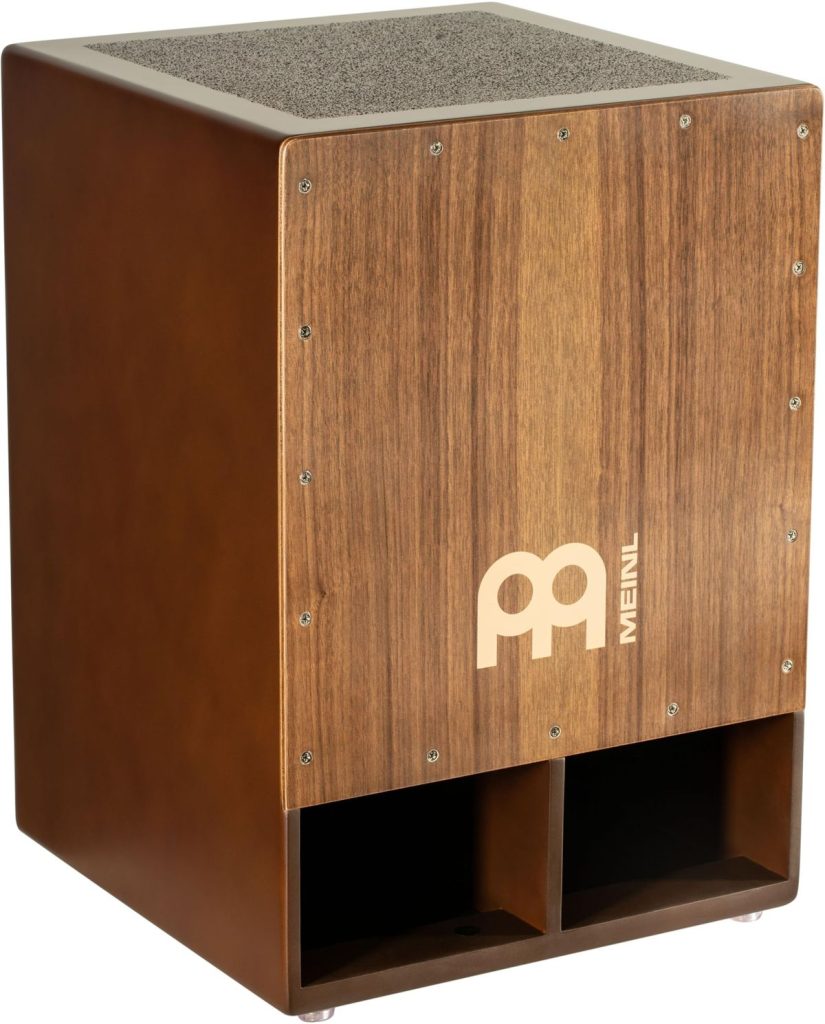
Meinl Percussion Cajon: Unlock the Art of Cajon Playing
The Meinl Percussion Cajon brings the soulful, expressive rhythms of Peruvian and Flamenco percussion traditions to players of all backgrounds and experience levels. As one of the world’s most respected and established percussion manufacturers with decades of experience designing instruments for professional performers, Meinl produces cajons that consistently deliver authentic acoustic tone, excellent craftsmanship, and genuinely enjoyable playability across their extensive range of models and price points. This review examines what makes Meinl cajons so consistently well-regarded and why they represent an outstanding choice for anyone entering the world of hand percussion.
The Cajon’s Rich Musical Heritage: Meinl Percussion Cajon
Meinl Percussion Cajon is a percussion instrument with a fascinating and culturally rich origin story. It originated in Peru during the eighteenth century when enslaved Africans working in South America repurposed simple wooden shipping crates and boxes as musical instruments, adapting their musical traditions to the materials available to them.
The cajon subsequently traveled to Spain where it became an integral and celebrated part of Flamenco music tradition, adding a distinctive percussive voice to the existing guitar and vocalist ensemble. From these origins, the cajon has spread worldwide and is now embraced globally as a versatile percussion instrument perfectly suited to acoustic, folk, jazz, world music, and contemporary pop contexts.
Meinl’s Cajon Construction Philosophy
Meinl Percussion Cajon are constructed from carefully selected birch wood that has been chosen for its combination of excellent acoustic resonance, structural strength, and long-term durability under the demands of regular performance use. The front playing face, called the tapa, is typically constructed from thinner and more responsive wood to optimize its vibrational response and tonal projection.
The body side panels use thicker and heavier material that provides the necessary structural rigidity and stability. The internal snare wires or strings stretched across the inside of the tapa create the characteristic buzzing, snare-like sound that gives the cajon its distinctive high-frequency character and distinguishes it acoustically from a simple hollow box drum.
The internal snare mechanism in many Meinl Percussion Cajon models is fully user-adjustable, allowing players to easily control the amount of snare response from tight and dry to loose and buzzy depending on their personal preference and the specific musical context of their performance. This adjustability gives players meaningful control over their instrument’s tonal character and makes the cajon adaptable to diverse musical situations without requiring equipment changes.
Tonal Voice and Playing Expression
Meinl Percussion Cajon produce the three fundamental tonal zones that define cajon playing with impressive clarity and musical character. The deep bass tone, produced by striking the center lower portion of the playing face with a flat, relaxed hand, provides powerful low-frequency foundation for the rhythm. The mid-range tone, played toward the upper portion of the tapa with the fingers held together, produces a clear, focused mid-pitch sound.
The bright slap tone, created near the very top edge of the tapa with a specific curved hand technique, cuts through with bright, snapping attack that provides rhythmic accents and melodic punctuation. These three fundamental voices enable the rich and polyrhythmic textures that make cajon playing so compelling and musically satisfying.
The projection of quality Meinl Percussion Cajon is genuinely impressive for an entirely acoustic percussion instrument, making them suitable for small to medium-sized performance venues without amplification in most circumstances. In quieter acoustic settings with voice and acoustic guitar, the cajon projects comfortably and clearly without overpowering the other instruments.
Playing Position and Ergonomics
The standard Meinl Percussion Cajon playing position involves sitting directly on top of the instrument while tilting it slightly forward so that both hands can reach the playing face comfortably from above and from the sides. This sitting position is stable and ergonomically comfortable, with the instrument naturally supporting the player’s weight while maintaining full access to the entire tapa surface.
The smooth and comfortable rim surface prevents the leg discomfort that can occur with instruments featuring sharp or rough edges during extended performance sessions.
Portability Advantages
One of the Meinl Percussion Cajon’s greatest and most practically significant advantages compared to conventional drum kits is its remarkable portability. Compact enough to transport easily in a standard-sized car or even on public transportation, the cajon travels wherever the music happens to take the performer.
This exceptional portability makes it ideal for busking performances, spontaneous jam sessions, acoustic club engagements, and any situation where drummers want to bring authentic and high-quality percussion without the significant logistical burden of transporting a complete drum kit.
Accessibility for Beginning Players
Meinl Percussion Cajon is widely regarded as one of the most accessible and quickly rewarding percussion instruments for beginning players. Its fundamental technique is relatively intuitive, and the three basic tonal zones respond immediately and satisfyingly to beginning efforts, meaning players can make genuinely musical sounds within their very first practice session.
More sophisticated and nuanced techniques develop naturally and progressively through dedicated practice, providing a clear and deeply rewarding path of continuous musical improvement and creative development.
Essential Drum and Percussion Maintenance
Proper maintenance of drums and percussion instruments is crucial for preserving their tonal quality and structural integrity. For acoustic drums, this begins with regular inspection and tuning of the drumheads. Drumheads stretch and wear out over time, losing their resonance and responsiveness.
It is generally recommended that active players replace their batter heads every few months, while resonant heads can typically last a year or more. When changing heads, take the opportunity to wipe down the bearing edges with a clean, dry cloth to ensure smooth contact between the shell and the new head, which is essential for accurate tuning and optimal sound projection.
Hardware maintenance is equally important. Lugs, tension rods, and pedals endure significant mechanical stress and require periodic lubrication to function smoothly. Applying a small amount of white lithium grease or a specialized drum hardware lubricant to the tension rods will prevent cross-threading and make fine-tuning much easier.
For pedals and hi-hat stands, keeping the moving parts clean of dust and grit and lightly lubricating the chain and hinges will ensure a fast, responsive action. Cymbal care is a topic of much debate among drummers, but generally, wiping them down with a soft microfiber cloth after playing prevents the buildup of corrosive oils. If you choose to use cymbal polish, always ensure it is specifically formulated for your cymbal’s finish (traditional or brilliant) to avoid damaging the protective coating.
Developing a Solid Practice Routine
Having the right percussion equipment is merely the foundation; developing your skills requires a disciplined and well-structured practice routine. The core of any drummer’s practice should revolve around the metronome. Timekeeping is the primary function of a drummer in almost any musical setting, so practicing rudiments, grooves, and fills to a click track is non-negotiable for serious improvement.
Start with basic stickings like single strokes, double strokes, and paradiddles, practicing them slowly and focusing on stick height, rebound, and dynamic consistency before gradually increasing the tempo.
In addition to technical exercises, musicality should be a primary focus. Playing along to recordings of various genres—from rock and jazz to Latin and funk—will drastically expand your vocabulary and help you understand how different grooves fit into different musical contexts.
Recording yourself regularly is one of the most powerful tools for self-evaluation. What feels perfectly in time and dynamically balanced while you are playing may sound completely different upon playback. By critically listening to your own recordings, you can identify micro-timing issues, inconsistent velocities, and phrasing weaknesses that need attention in your next practice session.
Ergonomics and Long-Term Health
Finally, do not overlook the importance of ergonomics when setting up your instrument. Drumming is a physically demanding activity, and a poor setup can lead to chronic fatigue and repetitive strain injuries over time. Your drum throne should be adjusted to a height where your thighs are roughly parallel to the floor or angled slightly downward.
The snare drum and toms should be positioned so that you can strike the center of the heads without having to reach awkwardly or contort your wrists. Cymbals should be angled slightly toward you to maximize stick rebound and prevent premature cracking. Investing time in finding your optimal setup will pay massive dividends in your comfort, endurance, and overall musical longevity.
Conclusion
The Meinl Percussion Cajon offers authentic acoustic tone, quality birch wood construction, and genuinely outstanding playability that makes it an excellent and well-considered choice for percussionists at every level of experience and musical development. Whether you are discovering hand percussion and rhythmic musicality for the very first time or adding a versatile and portable acoustic drum option to an existing professional toolkit, a Meinl cajon delivers musical satisfaction and creative inspiration that make every practice session engaging and every performance memorable.
