Post
Best Gibson Les Paul Standard 50s Electric Guitar: A Timeless Classic Reviewed
May
Gibson Les Paul Standard 50s Electric Guitar: A Timeless Classic Reviewed
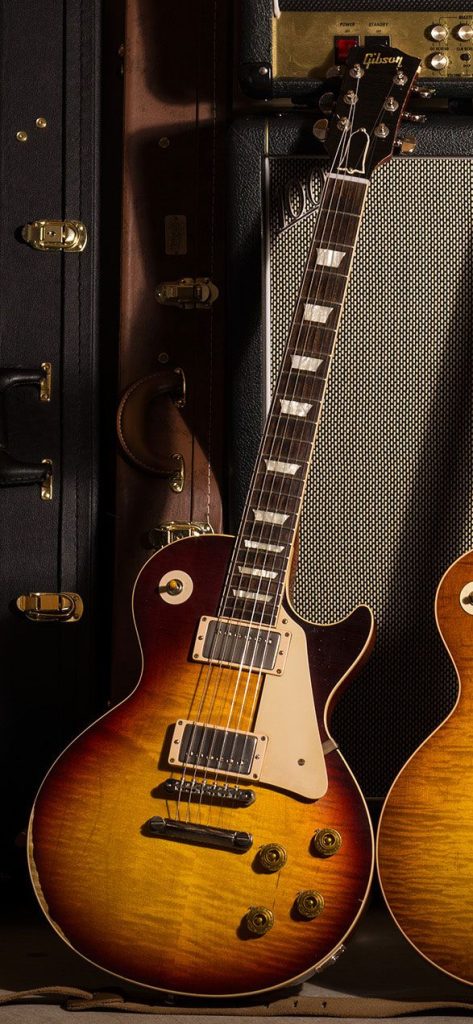
Gibson Les Paul Standard 50s Electric Guitar represents a faithful and deeply considered recreation of one of the most celebrated guitar designs in the entire history of stringed instruments. Introduced as part of Gibson’s Original Collection lineup, the Standard 50s brings back the thick rounded neck profile, vintage-spec Burstbucker pickups, and traditional wiring that defined the golden era of Les Paul production in the late 1950s. This detailed review examines why this guitar remains a cornerstone of electric guitar design and why it continues to captivate musicians across generations, decades after the original instruments first appeared.
Historical Context and Design Philosophy
Gibson Les Paul Standard 50s Electric Guitar produced between 1958 and 1960 are considered by many collectors and players to be the most valuable and acoustically magnificent electric guitars ever manufactured. Their combination of mahogany body, carved maple top, and PAF humbucker pickups produced a thick, singing tone with seemingly unlimited sustain that no other guitar has ever fully replicated. Gibson’s decision to faithfully recreate this era with the Standard 50s reflects a genuine commitment to honoring that legendary legacy while making it accessible to contemporary players who demand authentic vintage character.
Every detail of the Standard 50s has been carefully considered and executed with the goal of capturing the true essence of those original instruments. From the rounded C-profile neck that fills the hand so satisfyingly to the historically accurate wiring that allows independent volume control for each pickup, the Standard 50s is a genuine attempt to bring 1950s Les Paul magic into modern production.
Body Construction and Premium Tonewoods
The Les Paul Standard 50s features a solid mahogany body with a beautifully carved maple top — the classic tonewood combination that gives Les Pauls their unmistakable and deeply distinctive tonal character. Mahogany provides exceptional warmth, sustained resonance, and rich midrange complexity, while the maple top adds brightness, articulate clarity, and the characteristic punch that makes Les Pauls cut through even the densest band mixes. The interaction between these two complementary tonewoods creates a harmonically complex and musically rich tone that rewards both rhythm playing and expressive lead work.
The carved maple top is executed with the traditional arch that gives Les Pauls their iconic silhouette. The binding on the body and headstock is cleanly applied and adds a touch of vintage elegance that makes the guitar visually striking from any angle. Available finish options include authentic vintage sunbursts and classic solid colors that evoke the feel of original 1950s production instruments.
Neck Profile and Playability
The mahogany neck carries the rounded 50s-style profile that is one of the defining characteristics of this model and one of the most frequently requested specifications by vintage Les Paul enthusiasts. The neck feels substantial and fills the hand in a way that many players find extremely comfortable and confidence-inspiring for both chord work and lead playing. The rosewood fingerboard features 22 frets with classic crown inlays and is well-dressed with smooth fret ends that facilitate comfortable playing across the entire range of the instrument.
Players accustomed to modern slim neck profiles may need a short adjustment period, but most quickly come to appreciate the stability and tonal contribution that a fuller neck profile provides. The neck joint is solidly constructed with excellent resonance transfer from the neck to the body, contributing to the guitar’s exceptional overall sustain.
Burstbucker Pickups: Authentic PAF Character
The Burstbucker 1 and Burstbucker 2 humbucking pickups installed in the Standard 50s are central to the instrument’s entire sonic identity. These pickups are based directly on the original Patent Applied For humbuckers from the late 1950s, which are widely considered among the finest electric guitar pickups ever manufactured.
The Burstbuckers feature a slight asymmetry between the two coils — just like the originals — which creates a rich, three-dimensional tone with excellent note separation and natural harmonic complexity that wound pickups simply cannot reproduce.
The pickups are left unpotted, exactly like the vintage originals, giving them a slightly more open and harmonically responsive character that potted pickups cannot match. They clean up beautifully when rolling back the guitar’s volume control, allowing the single instrument to cover an impressive tonal range from pristine, glassy cleans all the way to full saturation, making the Standard 50s a genuinely versatile instrument despite its vintage character.
Hardware and Overall Quality
The ABR-1 Tune-o-Matic bridge and aluminum stopbar tailpiece provide precise intonation adjustment and secure string anchoring. The Grover Rotomatic tuners hold tuning with excellent reliability and allow smooth, accurate fine adjustments. The quality of all hardware components is appropriate for an instrument at this price level, and everything feels solid and well-manufactured throughout.
Sound Performance
The Standard 50s produces the thick, warm, and harmonically rich tones that have made the Les Paul design legendary across rock, blues, jazz, and country music. The neck pickup delivers rich, woody, and singing tones that excel for jazz chord melody playing and smooth lead work. The bridge pickup provides the biting, aggressive attack and sustaining power that cuts through dense mixes with effortless authority and makes classic rock lead playing so viscerally satisfying.
Comprehensive Guide to Guitar Maintenance and Care
Proper maintenance is the cornerstone of keeping any musical instrument in top playing condition for years to come. For guitars and their associated accessories, understanding the basic principles of care can significantly extend the life of your investment. One of the most important aspects is climate control.
Wood is a hygroscopic material, meaning it absorbs and releases moisture depending on the environment. Keeping your instrument in a room with a stable relative humidity of around 45 to 55 percent will prevent the wood from cracking, warping, or experiencing fret sprout. If you live in a particularly dry or humid climate, investing in a quality case humidifier or room dehumidifier is absolutely essential for long-term preservation.
In addition to humidity control, regular cleaning is paramount. After every playing session, it is highly recommended to wipe down the strings, neck, and body with a clean, dry microfiber cloth. This simple habit removes the acidic sweat and oils from your hands that can prematurely corrode metal parts and degrade the finish.
When it comes time for a deeper clean, specialized instrument polishes and fretboard conditioners can be used, but they should be applied sparingly. Using lemon oil or specific fretboard conditioners once or twice a year will keep an unfinished wood fretboard hydrated and prevent cracking, while a specialized guitar polish will safely remove stubborn smudges from the body without damaging the delicate finish.
Maximizing Your Practice Sessions and Musical Growth
Having the right equipment is only half the journey; the other half is dedicating yourself to consistent and focused practice. To truly get the most out of your purchase, it is vital to establish a structured practice routine that balances technical exercises with musical exploration.
Start every session with a proper warmup, focusing on slow, deliberate movements that build finger dexterity and muscle memory. Using a metronome from the very beginning will help you internalize timing and rhythm, which are perhaps the most critical skills for any musician to develop. Even 15 to 20 minutes of focused, daily practice will yield far better results than cramming for several hours once a week.
Furthermore, do not underestimate the value of playing with others and seeking proper instruction. While there is an abundance of excellent free resources, tutorials, and courses available online, nothing quite replaces the immediate feedback and personalized guidance of a qualified teacher.
A good instructor can spot bad habits before they become ingrained, suggest repertoire that matches your current skill level, and provide the motivation needed when you inevitably hit plateaus in your progress. Combining your new equipment with a dedication to continuous learning and a structured approach to practice will ensure that you unlock your full musical potential and enjoy a lifetime of rewarding musical experiences.
Understanding Warranties and Long-Term Value
When investing in musical gear, it is also wise to familiarize yourself with the manufacturer’s warranty and customer support policies. Most reputable brands stand behind their products with guarantees that cover defects in materials and workmanship. Be sure to register your product online or mail in the warranty card shortly after purchase, and keep your original receipt in a safe place.
Understanding what is and isn’t covered—typically, normal wear and tear on items like strings, frets, and finishes are excluded—will help you make informed decisions about repairs and professional setups down the road. Ultimately, a well-maintained instrument will hold its value remarkably well on the used market, making your initial investment even more worthwhile should you ever decide to upgrade or expand your collection.
Final Verdict
The Gibson Les Paul Standard 50s Electric Guitar is a masterpiece of instrument design that honors the legendary legacy of its 1950s predecessors with genuine fidelity and respect. Its premium tonewoods, authentic vintage-spec pickups, and meticulous attention to historical accuracy make it one of the finest production electric guitars available today. For any guitarist seeking the quintessential Les Paul experience with correct vintage specifications and genuine Gibson quality, this guitar delivers everything it promises and then some.
