Post
Best Fender Player Stratocaster Electric Guitar: Complete Review and Buyer’s Guide 2026
May
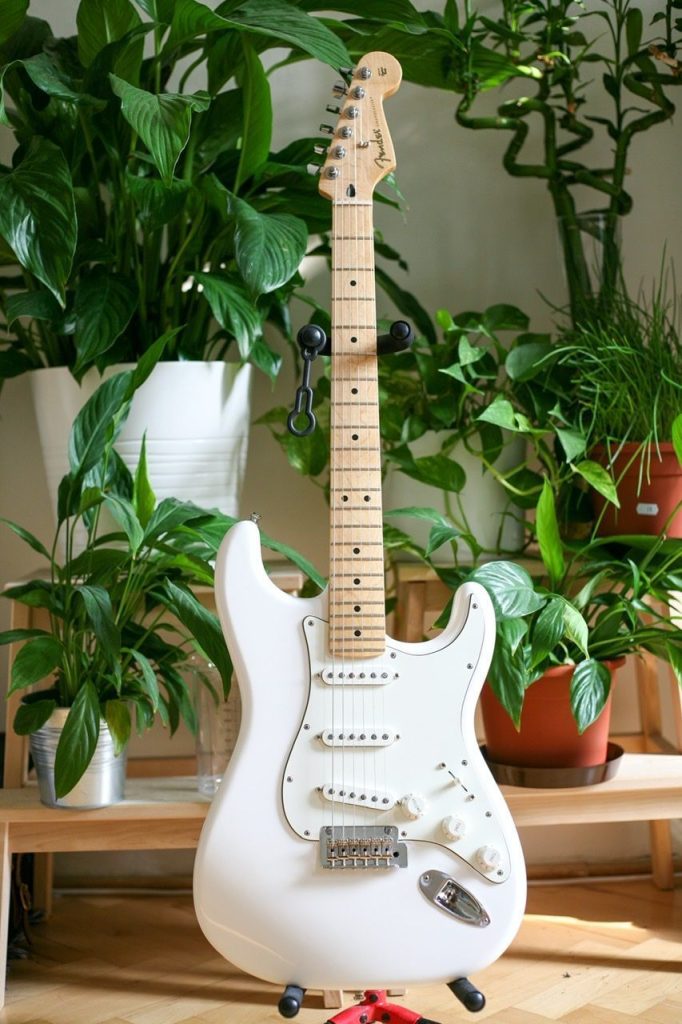
Fender Player Stratocaster Electric Guitar: Complete Review and Buyer’s Guide
Fender Player Stratocaster Electric Guitar is the modern successor to one of the most iconic guitar designs in the history of popular music. Manufactured in Fender’s state-of-the-art Ensenada, Mexico facility, the Player Series Stratocaster offers genuine Fender quality and the full classic Strat experience at a significantly more accessible price point than American-made models. This comprehensive review explores why the Player Stratocaster continues to be a top choice for guitarists of every style and experience level worldwide.
Heritage and Historical Legacy
Fender Player Stratocaster Electric Guitar design, first introduced to the world in 1954, completely revolutionized the electric guitar landscape. Its contoured body for player comfort, three single-coil pickups for tonal versatility, and innovative tremolo system set it apart from everything that had come before. The Player Series carries this remarkable legacy forward with modern manufacturing techniques while carefully preserving the core elements that made the original design so universally beloved and endlessly copied by competitors.
Fender’s Mexican manufacturing facility has evolved dramatically over the decades since its establishment and now produces instruments that rival American-made guitars in many important respects. The Player Stratocaster benefits from Fender’s accumulated manufacturing refinement and reflects the brand’s genuine commitment to quality at every price point in their extensive lineup.
Body Construction and Materials
Fender Player Stratocaster Electric Guitar features an alder body, the same premium tonewood used in classic American Stratocasters since the 1950s. Alder provides an excellent tonal balance with tight, defined lows, clear and present midrange, and sparkling highs — the hallmark tonal signature of the Stratocaster sound that has graced millions of recordings. The polyester finish comes in a wide variety of attractive and historically inspired colors and provides excellent long-term protection for the wood beneath.
The body contours are properly executed, with the forearm contour on the top and belly contour on the back ensuring hours of comfortable playing without fatigue. These contours were a revolutionary innovation in 1954 and remain one of the most ergonomically successful guitar body designs ever conceived. The overall build quality feels solid and consistent, with well-fitted body seams and evenly applied finish.
Neck, Fingerboard, and Frets
The maple neck is available with either a maple or pau ferro fingerboard depending on the specific color variant chosen. The modern C-shaped neck profile feels comfortable and natural for the vast majority of playing styles, and the 9.5-inch fingerboard radius accommodates both rhythm chord playing and expressive lead work without feeling restrictive. The 22 medium-jumbo frets provide plenty of range for ambitious playing and are well-seated with no sharp edges that might interfere with comfortable technique development.
The synthetic bone nut is properly cut and contributes to good open string tone and tuning stability. The fret ends are smoothly finished, and the overall fretwork quality is impressive for the price category. Intonation across the neck is consistent, allowing players to move freely between positions without encountering noticeable pitch discrepancies.
Pickups and Electronics
The three Player Series Alnico V single-coil pickups are the beating heart of this guitar and deliver exceptional performance. They produce the classic Stratocaster tones — bright, articulate highs with a punchy, defined midrange — that have defined the sound of countless musical genres. The five-way pickup selector provides five distinct tonal positions, including the legendary in-between positions that produce the characteristic Strat quack and bell-like tones beloved by funk, blues, and pop players worldwide.
The master volume control and two individual tone controls offer precise tonal shaping capabilities. One tone control is dedicated to the neck pickup while the second serves the middle pickup. This flexible arrangement allows for fine adjustment of brightness and warmth to precisely suit different playing contexts and musical situations. The quality of the potentiometers is good, with smooth taper and no scratchy response.
Sound Versatility and Performance
Fender Player Stratocaster Electric Guitar excels across an impressively wide range of musical styles and genres. Clean tones are crystalline, responsive to the finest nuances of picking dynamics, and absolutely perfect for funk rhythm playing, blues, and country. The bridge pickup delivers the cutting, aggressive Strat tone ideal for rock leads and rhythm parts. The neck pickup produces warm, rounded, and musical tones perfectly suited for jazz voicings and smooth lead playing. The middle pickup positions add unique tonal colors that fill in the gaps beautifully.
When paired with overdrive, distortion, or fuzz pedals, the Player Strat responds dynamically and maintains impressive note clarity even at high gain settings. The single-coil pickups do have some inherent 60-cycle hum in electrically noisy environments, which is simply a characteristic of the single-coil design philosophy rather than a manufacturing defect. Players who find this objectionable can install noiseless replacement pickups without any structural modifications to the guitar.
Hardware Quality and Tuning Stability
The synchronized tremolo bridge is well-constructed and maintains tuning reliably during moderate tremolo use. The two-point tremolo pivot system offers smooth, precise operation and good return-to-pitch performance after use. The vintage-style tuning machines hold tuning well under normal playing conditions and make fine pitch adjustments smoothly and accurately. String changes are straightforward using the standard vintage-style string-through-body loading system on the bridge.
Overall Value Assessment
Fender Player Stratocaster Electric Guitar is widely considered one of the most versatile and musically rewarding guitars available at its price point. Professional musicians regularly use Player Series instruments on stage and in recording studios, which is a compelling testament to the quality and reliability these guitars deliver. Compared to the American Professional series, the Player Strat offers approximately eighty percent of the experience at roughly half the price — a genuinely compelling value proposition for budget-conscious players who still want authentic Fender quality and craftsmanship.
Comprehensive Guide to Guitar Maintenance and Care
Proper maintenance is the cornerstone of keeping any musical instrument in top playing condition for years to come. For guitars and their associated accessories, understanding the basic principles of care can significantly extend the life of your investment. One of the most important aspects is climate control. Wood is a hygroscopic material, meaning it absorbs and releases moisture depending on the environment.
Keeping your instrument in a room with a stable relative humidity of around 45 to 55 percent will prevent the wood from cracking, warping, or experiencing fret sprout. If you live in a particularly dry or humid climate, investing in a quality case humidifier or room dehumidifier is absolutely essential for long-term preservation.
In addition to humidity control, regular cleaning is paramount. After every playing session, it is highly recommended to wipe down the strings, neck, and body with a clean, dry microfiber cloth. This simple habit removes the acidic sweat and oils from your hands that can prematurely corrode metal parts and degrade the finish.
When it comes time for a deeper clean, specialized instrument polishes and fretboard conditioners can be used, but they should be applied sparingly. Using lemon oil or specific fretboard conditioners once or twice a year will keep an unfinished wood fretboard hydrated and prevent cracking, while a specialized guitar polish will safely remove stubborn smudges from the body without damaging the delicate finish.
Maximizing Your Practice Sessions and Musical Growth
Having the right equipment is only half the journey; the other half is dedicating yourself to consistent and focused practice. To truly get the most out of your purchase, it is vital to establish a structured practice routine that balances technical exercises with musical exploration.
Start every session with a proper warmup, focusing on slow, deliberate movements that build finger dexterity and muscle memory. Using a metronome from the very beginning will help you internalize timing and rhythm, which are perhaps the most critical skills for any musician to develop. Even 15 to 20 minutes of focused, daily practice will yield far better results than cramming for several hours once a week.
Furthermore, do not underestimate the value of playing with others and seeking proper instruction. While there is an abundance of excellent free resources, tutorials, and courses available online, nothing quite replaces the immediate feedback and personalized guidance of a qualified teacher.
A good instructor can spot bad habits before they become ingrained, suggest repertoire that matches your current skill level, and provide the motivation needed when you inevitably hit plateaus in your progress. Combining your new equipment with a dedication to continuous learning and a structured approach to practice will ensure that you unlock your full musical potential and enjoy a lifetime of rewarding musical experiences.
Understanding Warranties and Long-Term Value
When investing in musical gear, it is also wise to familiarize yourself with the manufacturer’s warranty and customer support policies. Most reputable brands stand behind their products with guarantees that cover defects in materials and workmanship. Be sure to register your product online or mail in the warranty card shortly after purchase, and keep your original receipt in a safe place.
Understanding what is and isn’t covered—typically, normal wear and tear on items like strings, frets, and finishes are excluded—will help you make informed decisions about repairs and professional setups down the road. Ultimately, a well-maintained instrument will hold its value remarkably well on the used market, making your initial investment even more worthwhile should you ever decide to upgrade or expand your collection.
Conclusion
The Fender Player Stratocaster Electric Guitar is an outstanding instrument that fully earns its strong reputation as one of the best guitars available in its price category.
Whether you are an advancing player ready to invest in a quality instrument that will serve you for years, or a professional musician looking for a reliable and great-sounding backup, the Player Strat delivers exactly what it promises. Its combination of classic Fender DNA, quality construction, and versatile tone palette makes it very easy to recommend enthusiastically to any guitarist seeking the iconic Stratocaster experience without the premium American-made price tag.
