Post
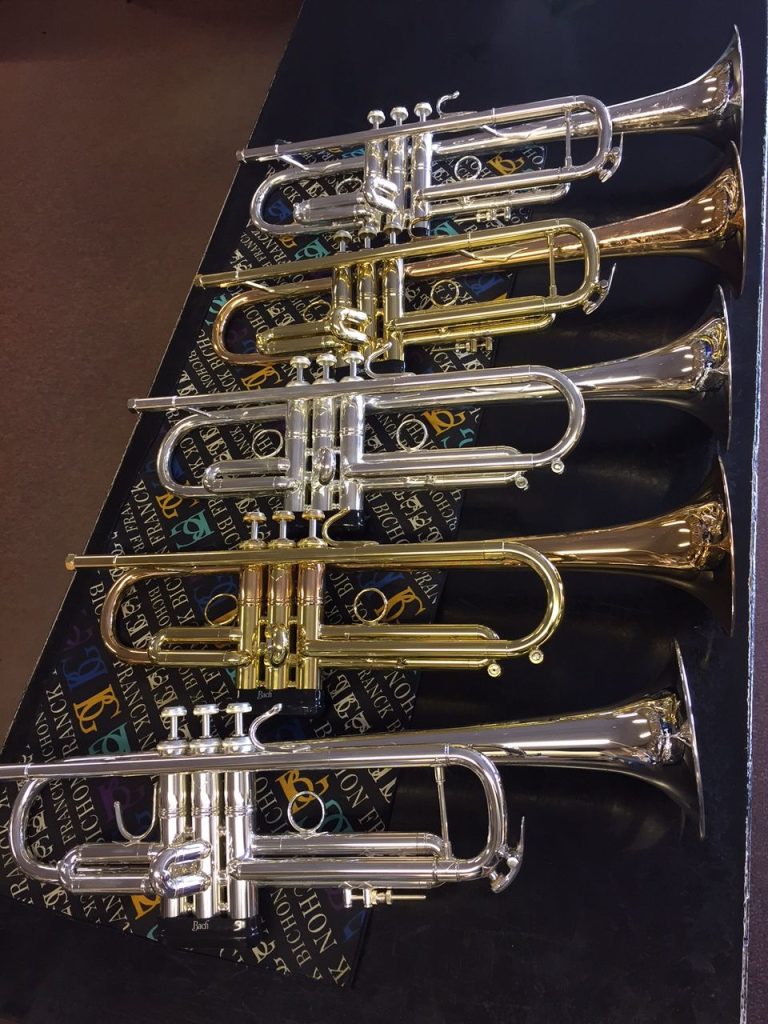
Bach TR300H2 Student Bb Trumpet: Excellence from the Start
May
Bach TR300H2 Student Bb Trumpet: Excellence from the Start
The Bach TR300H2 Student Bb Trumpet carries one of the most universally respected and historically significant names in the entire world of brass instrument manufacturing. Bach is absolutely synonymous with professional trumpet excellence at the highest levels of classical and jazz performance, and the TR300H2 successfully brings key acoustic design principles and engineering insights directly from their celebrated professional instruments into an accessible student model that provides beginning trumpeters with a genuinely quality starting instrument. This review explains clearly why the TR300H2 is consistently and confidently recommended by trumpet teachers and brass educators as one of the most trusted student trumpets available in music education today.
The Remarkable Bach Legacy
Vincent Bach was both a virtuoso professional trumpeter who performed at the highest international levels and a remarkably gifted acoustical engineer who channeled his deep musical understanding and technical genius into instrument design. He began manufacturing handmade mouthpieces and then complete trumpets in New York City in 1918, and his instruments quickly earned an extraordinary reputation for tonal quality, precise intonation, and reliable professional performance. The Bach Stradivarius trumpet, which remains his flagship professional model, has been and continues to be the definitive standard for professional orchestral and jazz trumpet playing for nearly a century of continuous production. The TR300H2 benefits directly from this extraordinary engineering heritage and the acoustic knowledge it represents.
Body Construction and Materials
The TR300H2 features a yellow brass bell and body construction that produces the warm, full, and centered brass tone that is characteristic of quality Bach instruments throughout their product range. The medium bore specification of .459 inches is the accepted standard for general student and intermediate trumpet use, providing a manageable resistance level that is appropriate for developing players who are still building embouchure strength and breath support capacity. The bell flare is carefully formed through precise manufacturing processes to project the trumpet’s voice with the combination of warmth and clarity that the Bach sound is known for internationally.
The lacquer finish is applied evenly and thoroughly to protect the brass from tarnishing and corrosion, and it adds a small but acoustically meaningful contribution of warmth to the instrument’s overall tonal character. The finish is durable under the handling demands of regular student use and maintains an attractive appearance through proper cleaning and care.
Stainless Steel Valve System
The stainless steel pistons represent a particularly significant quality feature incorporated into the TR300H2 that distinguishes it from many competing student trumpets that use brass or monel valve materials. Stainless steel provides superior corrosion resistance under all humidity conditions and maintains smooth, consistent valve action over many years of use with only basic and straightforward maintenance. The precision-machined valve casings provide controlled tolerances for reliable and completely consistent valve alignment and action that beginning students can depend upon for smooth and accurate scale passages, technique exercises, and musical performance.
Keeping the stainless steel valves properly lubricated with appropriate valve oil and maintaining clean valve casings will preserve excellent valve action for an extraordinarily long service life. These valves are designed to remain in reliable working condition for many years with appropriate basic maintenance, making them a genuinely long-term investment in reliable instrument performance.
Intonation Accuracy
The TR300H2 produces accurate and consistent intonation across its playing range when played with developing embouchure and breath support technique. The main tuning slide and individual valve slides provide the adjustment mechanisms needed to correct any pitch discrepancies as they arise in different playing contexts and ensemble situations. The instrument’s acoustic design actively supports accurate pitch production, giving students an honest and reliable tonal foundation for developing their embouchure technique, ear training, and musical sensitivity simultaneously.
Sound Character and Projection
The Bach name carries specific and immediately recognizable tonal associations — warm, centered, projecting, and focused — and the TR300H2 produces sound fully consistent with this well-established tonal identity and tradition. The tone is appropriately bright and present for trumpet in musical contexts while never becoming harsh, shrill, or unpleasant, rewarding beginning players with a sound quality that motivates continued practice and performance rather than discouraging them with an unpleasant or unsatisfying sound.
Comprehensive Care and Maintenance Guidelines
Maintaining the pristine condition and optimal performance of acoustic and orchestral instruments is an ongoing responsibility that directly impacts both sound quality and longevity. For woodwind and brass instruments, moisture is the primary enemy. After every single playing session, it is imperative to remove all internal moisture using appropriate swabs, cleaning rods, and polishing cloths. Leaving moisture inside the instrument can lead to the rapid deterioration of pads in woodwinds, the buildup of mold and bacteria, and the accelerated corrosion or seizing of valves and slides in brass instruments. Regularly oiling valves, greasing slides, and applying cork grease where necessary ensures that the mechanical components operate with the buttery smoothness required for expressive playing.
Environmental factors also play a massive role in the health of these instruments. Extreme temperatures and rapid shifts in humidity can cause catastrophic damage, including cracked wood, warped mechanisms, and compromised structural integrity. Instruments should always be stored in their protective cases when not in use, and kept away from direct sunlight, heating vents, and drafty windows. For wooden instruments in particular, maintaining a consistent room humidity or using case humidifiers during dry winter months is absolutely critical to prevent the wood from shrinking and splitting. A well-maintained instrument not only plays better but also retains a significantly higher resale value should you choose to upgrade in the future.
Optimizing Your Practice and Skill Development
Acquiring a quality instrument is just the first step on a lifelong musical journey; the real progress happens in the practice room. A highly effective practice routine is characterized by consistency, focus, and structured goal-setting. Begin every session with long tones and fundamental breathing exercises. Tone production and breath control are the foundation of all wind and brass playing, and dedicating even 10 minutes a day to holding steady, resonant notes across your entire dynamic range will yield profound improvements in your overall sound. Combine this with scale and arpeggio work using a metronome to build unshakeable finger dexterity, intonation, and rhythmic precision.
Furthermore, developing your musical ear is just as important as developing your physical technique. Spend time actively listening to master performers of your instrument, paying close attention to their phrasing, articulation, vibrato, and dynamic control. Try to mimic these nuances in your own playing. Recording your practice sessions is an invaluable tool for objective self-assessment; it allows you to hear pitch inaccuracies, rhythmic rushing or dragging, and tonal inconsistencies that you might miss while actively playing. Incorporating a mix of technical drills, etudes, and challenging repertoire will keep your practice sessions engaging and ensure continuous, well-rounded musical development.
The Importance of Professional Servicing
While daily maintenance is the responsibility of the player, regular professional servicing is equally vital. Even with meticulous care, pads will eventually wear out, corks will compress, springs will lose their tension, and subtle mechanical adjustments will drift out of alignment over time. Taking your instrument to a qualified repair technician for a ‘Clean, Oil, and Adjust’ (COA) at least once a year is highly recommended. A skilled technician can spot and correct minor issues—such as tiny air leaks, sluggish key action, or misaligned valves—before they develop into major, costly repairs. This preventative maintenance ensures that your instrument will always perform at its absolute best, allowing you to focus entirely on your music.
Conclusion
The Bach TR300H2 Student Bb Trumpet is an outstanding entry point into trumpet playing from one of the brass instrument world’s most respected and historically significant manufacturers. Its combination of quality yellow brass construction, smooth stainless steel valve action, accurate intonation, and genuine Bach tonal character makes it a smart and educationally sound investment that supports musical development from the very first lesson through many years of progressively more advanced and rewarding study and performance.
