Post
Conn-Selmer 700 Series Tenor Trombone: Professional Foundation for Students Best Choice
May
Conn-Selmer 700 Series Tenor Trombone: Professional Foundation for Students
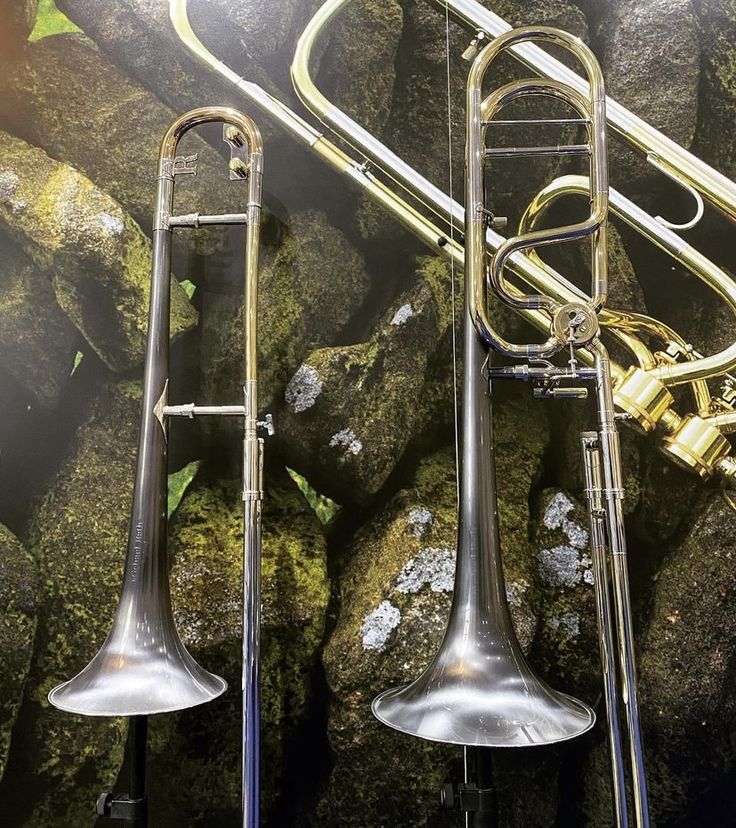
The Conn-Selmer 700 Series Tenor Trombone represents the impressive combined heritage of two of the most legendary names in brass instrument manufacturing — Conn and Selmer — united in a well-designed student instrument that applies professional acoustic design principles and manufacturing knowledge to create a reliable, musical, and educationally appropriate starting trombone. For beginning and advancing trombone students who recognize the importance of quality equipment for effective musical development, the 700 Series offers a trustworthy instrument that will genuinely support their technique development and musical growth throughout the important formative years of brass study.
The Conn-Selmer Manufacturing Heritage
C.G. Conn began manufacturing band instruments in Elkhart, Indiana in 1875 and the company went on to produce some of the most celebrated professional brass instruments in American musical history. Henri Selmer of Paris has been producing professional-quality brass and woodwind instruments since 1885 and is equally celebrated for manufacturing instruments used by the world’s greatest jazz and classical performers. Their merger to form Conn-Selmer created a company that carries forward both historic traditions of quality and expertise. The 700 Series benefits directly from this combined engineering legacy and reflects genuine commitment to producing student instruments that are worthy of these distinguished names.
Bore Specifications and Physical Design
The 700 Series tenor trombone is designed around a .500-inch bore specification that represents the universally accepted standard for student and intermediate tenor trombones in educational settings worldwide. This bore diameter provides appropriately manageable back pressure and resistance for developing players who are still building embouchure strength, breath support capacity, and slide technique simultaneously. The 8-inch bell flare is properly proportioned through careful acoustic engineering for balanced and even tone production across the instrument’s full playing range from the lowest pedal tones through the highest practical register notes.
The yellow brass construction of the bell and body produces warm, centered tone with good projection that is acoustically appropriate for band, orchestra, chamber, and ensemble performance contexts. The clear lacquer finish provides effective and durable protection for the brass underneath while contributing subtle warmth to the tonal character that players and listeners appreciate in live performance settings.
Slide Construction and Performance
The quality of slide action is arguably the single most important mechanical factor in trombone playability, and the 700 Series prioritizes this quality appropriately with a nickel-silver outer slide that provides consistently smooth and reliable movement across all seven playing positions. Proper slide care — regular application of appropriate cream, spray, or slide lubricant — maintains excellent action and protects the precision-machined surfaces that make smooth slide movement possible. The nickel-silver outer slide material resists corrosion more effectively than brass alternatives, maintaining smooth performance characteristics over many years of regular student use with appropriate maintenance.
The slide positions are precisely calibrated to acoustic requirements, facilitating the development of accurate intonation and reliable position recognition that developing trombone players must cultivate through consistent practice. Beginning students will find the slide movement predictable and manageable during fundamental exercises, while advancing players will appreciate the precision available for clean and accurate position changes in technically demanding musical passages.
Intonation and Pitch Accuracy
The 700 Series produces good, consistent intonation throughout its range when played with developing technique and appropriate embouchure control. The main tuning slide provides overall pitch adjustment capability, and individual note intonation is refined through slide position micro-adjustment as technique develops and the player’s ear becomes more sensitive and discriminating. The instrument’s acoustic design supports natural and accurate pitch production across all registers without requiring constant and exhausting embouchure compensation from the player.
Tone Quality and Sound Character
The 700 Series tenor trombone produces a full, warm, and projecting tone that reflects the acoustic integrity characteristic of instruments from the Conn-Selmer manufacturing tradition. The sound projects well in ensemble settings and responds appropriately and musically to dynamic variation from very soft to very loud playing. Students will find the instrument genuinely musically rewarding and inspiring to play from the early stages of study, which is critically important for maintaining the motivation and enthusiasm needed to persist through the challenging initial learning period that all beginning brass players must navigate.
Comprehensive Care and Maintenance Guidelines
Maintaining the pristine condition and optimal performance of acoustic and orchestral instruments is an ongoing responsibility that directly impacts both sound quality and longevity. For woodwind and brass instruments, moisture is the primary enemy. After every single playing session, it is imperative to remove all internal moisture using appropriate swabs, cleaning rods, and polishing cloths. Leaving moisture inside the instrument can lead to the rapid deterioration of pads in woodwinds, the buildup of mold and bacteria, and the accelerated corrosion or seizing of valves and slides in brass instruments. Regularly oiling valves, greasing slides, and applying cork grease where necessary ensures that the mechanical components operate with the buttery smoothness required for expressive playing.
Environmental factors also play a massive role in the health of these instruments. Extreme temperatures and rapid shifts in humidity can cause catastrophic damage, including cracked wood, warped mechanisms, and compromised structural integrity. Instruments should always be stored in their protective cases when not in use, and kept away from direct sunlight, heating vents, and drafty windows. For wooden instruments in particular, maintaining a consistent room humidity or using case humidifiers during dry winter months is absolutely critical to prevent the wood from shrinking and splitting. A well-maintained instrument not only plays better but also retains a significantly higher resale value should you choose to upgrade in the future.
Optimizing Your Practice and Skill Development
Acquiring a quality instrument is just the first step on a lifelong musical journey; the real progress happens in the practice room. A highly effective practice routine is characterized by consistency, focus, and structured goal-setting. Begin every session with long tones and fundamental breathing exercises. Tone production and breath control are the foundation of all wind and brass playing, and dedicating even 10 minutes a day to holding steady, resonant notes across your entire dynamic range will yield profound improvements in your overall sound. Combine this with scale and arpeggio work using a metronome to build unshakeable finger dexterity, intonation, and rhythmic precision.
Furthermore, developing your musical ear is just as important as developing your physical technique. Spend time actively listening to master performers of your instrument, paying close attention to their phrasing, articulation, vibrato, and dynamic control. Try to mimic these nuances in your own playing. Recording your practice sessions is an invaluable tool for objective self-assessment; it allows you to hear pitch inaccuracies, rhythmic rushing or dragging, and tonal inconsistencies that you might miss while actively playing. Incorporating a mix of technical drills, etudes, and challenging repertoire will keep your practice sessions engaging and ensure continuous, well-rounded musical development.
The Importance of Professional Servicing
While daily maintenance is the responsibility of the player, regular professional servicing is equally vital. Even with meticulous care, pads will eventually wear out, corks will compress, springs will lose their tension, and subtle mechanical adjustments will drift out of alignment over time. Taking your instrument to a qualified repair technician for a ‘Clean, Oil, and Adjust’ (COA) at least once a year is highly recommended. A skilled technician can spot and correct minor issues—such as tiny air leaks, sluggish key action, or misaligned valves—before they develop into major, costly repairs. This preventative maintenance ensures that your instrument will always perform at its absolute best, allowing you to focus entirely on your music.
Conclusion
The Conn-Selmer 700 Series Tenor Trombone provides beginning trombone students with a genuinely quality instrument from a manufacturer whose combined legacy represents over two centuries of professional brass instrument manufacturing expertise. Its smooth slide action, quality yellow brass construction, accurate intonation characteristics, and musically satisfying tonal voice make it an excellent and confidently recommended choice for students who are ready to begin their trombone journey with equipment that will truly support, inspire, and reward their musical development.
